Educatief Programma Jongeren
Over ons
Het Educatief Programma Jongeren (EPJO) helpt jongeren om slimme keuzes te maken en weg te blijven van criminaliteit. Het programma is opgezet door Gerard Zwarts en Peter Faber, samen met het Openbaar Ministerie en de Rechtspraak. Het doel is om het aantal jongeren dat in aanraking komt met justitie te verminderen door hen bewust te maken van de gevolgen van hun keuzes en hen sociale vaardigheden te leren.
EPJO laat jongeren kennismaken met de menselijke kant van de politie en legt uit hoe wetshandhaving en hulpverlening werken. Door open gesprekken te voeren, groeit het vertrouwen en leren jongeren hoe ze op een respectvolle en verantwoordelijke manier kunnen bijdragen aan de samenleving.
Jongeren krijgen tijdens het programma handvatten om op een positieve manier met lastige situaties om te gaan en worden gestimuleerd om goede keuzes te maken voor hun toekomst.
Samen bouwen we aan een veilige en respectvolle samenleving.
Visie
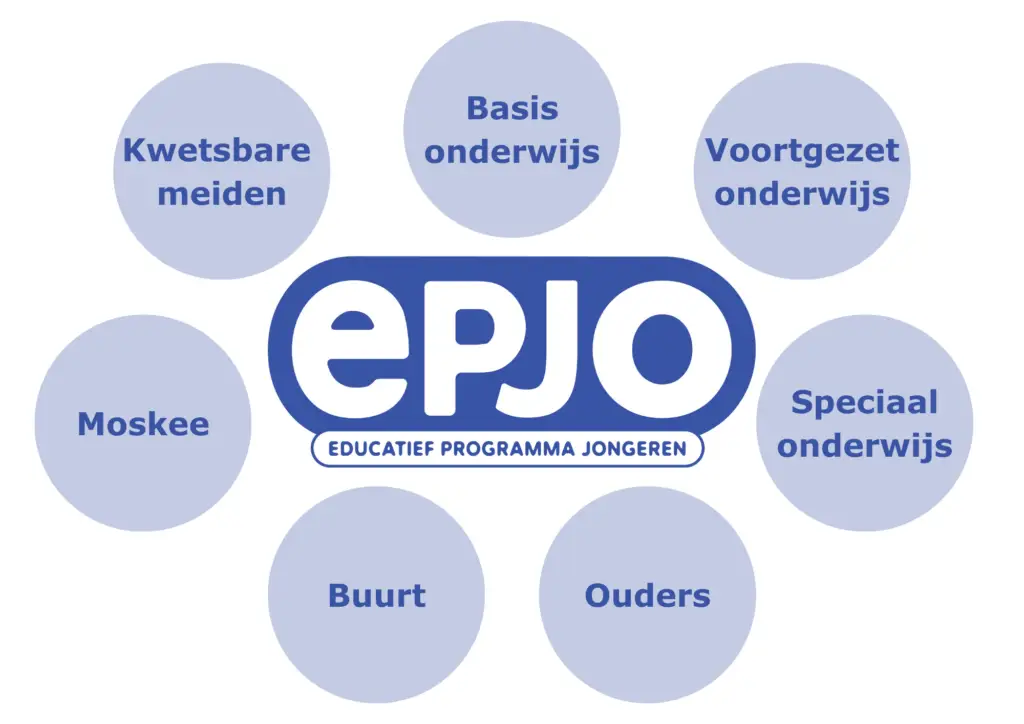
Bij het Educatief Programma Jongeren geloven we dat jongeren de toekomst vormen. Tegelijkertijd begrijpen we dat het voor hen steeds uitdagender wordt om hun identiteit te ontdekken en te ontwikkelen in een complexe samenleving.
Zorgwekkend is dat in 2023 ruim 40.000 jongeren tussen 12 en 23 jaar als verdachte van strafbare feiten in aanraking kwamen met politie en justitie. Dit vertegenwoordigt 1,6 procent van alle jongeren in die leeftijdsgroep. Factoren zoals opvoeding, huiselijk geweld en invloeden uit de omgeving spelen hierbij een belangrijke rol.
Om die reden is het essentieel om kinderen al op jonge leeftijd inzicht te geven in de gevolgen van hun keuzes. Dit inzicht reikt verder dan henzelf – het heeft ook impact op hun omgeving en mogelijke slachtoffers.
Ons interactieve lesprogramma helpt leerlingen om kennis te maken met regels, gezag en respect. Het doel is om hen bewust te maken van de betekenis van waarden, normen en fatsoen. Deze principes vormen de basis voor het maken van weloverwogen en verantwoorde keuzes.
Werkwijze
Normen, waarden, fatsoen en keuzes
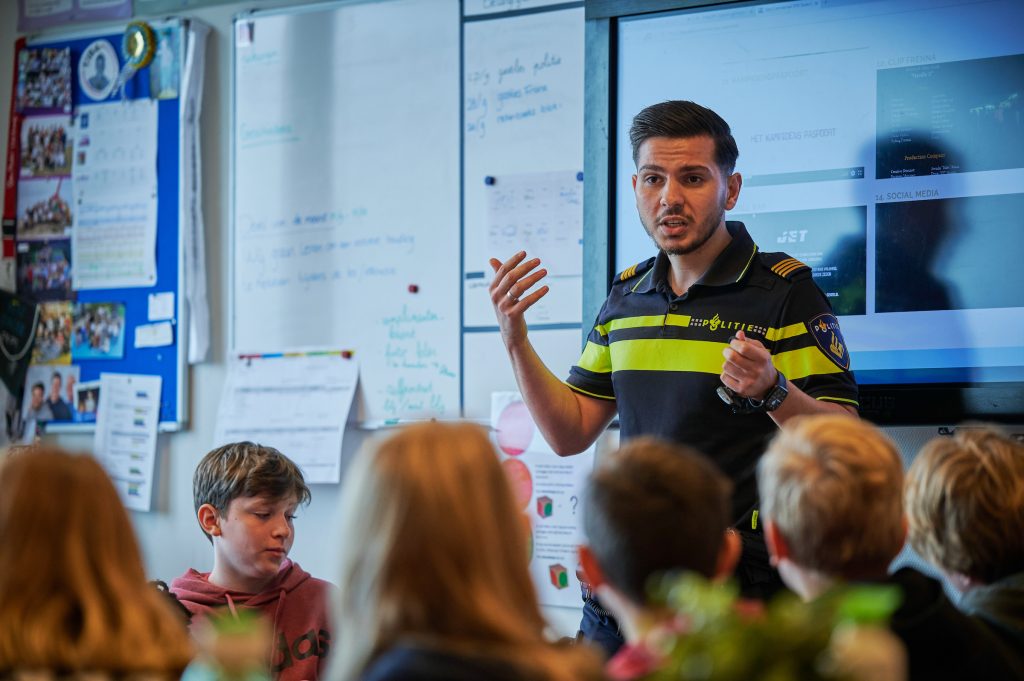
Tijdens de lessen leren jongeren dat de politie niet alleen de wet handhaaft, maar ook helpt waar dat nodig is. De politie is er dus niet alleen om regels te handhaven, maar ook om mensen te ondersteunen en te beschermen.
Onze lessen zijn duidelijk en soms confronterend, maar sluiten altijd aan bij de belevingswereld van jongeren. We willen hen laten nadenken over hun keuzes en de gevolgen daarvan voor henzelf en anderen.
Bij EPJO helpen we jongeren om goede keuzes te maken, verantwoordelijkheid te nemen en bij te dragen aan een veilige samenleving.
Doelstellingen
Misdaadpreventie
Het belangrijkste doel van EPJO is om criminaliteit onder jongeren te voorkomen. We laten jongeren zien wat de gevolgen zijn van crimineel gedrag en leren hen om goede keuzes te maken. Zo dragen we bij aan een veilige samenleving.
Tegengaan van radicalisering
We waarschuwen jongeren voor de gevaren van radicalisering en misleiding. Ook helpen we hen om kritisch te denken en zich te beschermen tegen extremistische ideeën.
Bewustwording en inzicht
EPJO helpt jongeren begrijpen waarom ze bepaald gedrag vertonen en wat de gevolgen daarvan zijn. We maken duidelijk dat goede keuzes positieve gevolgen hebben en verkeerde keuzes juist negatieve gevolgen.
Versterken van vaardigheden
We geven jongeren de kennis en vaardigheden om zichzelf en anderen te beschermen tegen criminaliteit en radicalisering. We moedigen hen aan om voor positieve oplossingen te kiezen en zich te verzetten tegen negatieve invloeden.
Positieve zelfontwikkeling
We helpen jongeren om een positief zelfbeeld te ontwikkelen. We motiveren hen om hun talenten te benutten en hun toekomst op een positieve manier vorm te geven.
Het EPJO management team
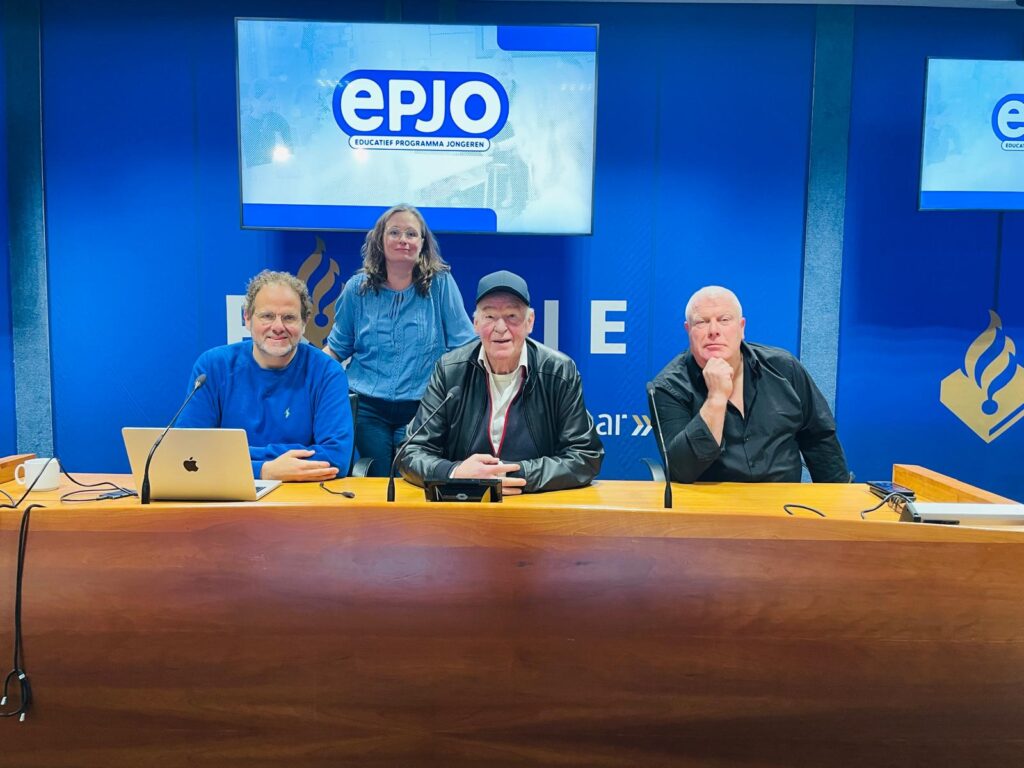
Het EPJO-management team bestaat uit:
- Peter Faber en Jesse Faber, Directie, Peter Faber Stichting.
- Gerard Zwarts, programmaleider EPJO, politie Amsterdam.
- Audrey Dobber, projectmanager EPJO en buddyproject, Peter Faber Stichting.
Van links naar rechts: Jesse Faber, Peter Faber, Gerard Zwarts en Audrey Dobber (staand)
Betrokken organisaties
De Rechtspraak
De rechtspraak is een onafhankelijke organisatie die juridische problemen behandelt. Rechters luisteren naar beide partijen, bekijken het bewijsmateriaal en nemen een beslissing. Ze zorgen ervoor dat rechtsregels worden nageleefd en dat mensen eerlijk worden behandeld. De rechtspraak beschermt de rechten van individuen en draagt bij aan een rechtvaardige samenleving.

Openbaar Ministerie (OM)
Het Openbaar Ministerie (OM) zorgt in Nederland voor de handhaving van de strafwet. Binnen het programma EPJO (Educatief Programma Jongeren en Openbaar Ministerie) werkt het OM samen met andere organisaties om jongeren bewust te maken van de gevolgen van hun keuzes. Officieren van justitie spelen hierbij een belangrijke rol. Zij zorgen ervoor dat de juridische aspecten tijdens de rechtbankzittingen binnen EPJO realistisch en geloofwaardig worden weergegeven.

Peter Faber Stichting
De Peter Faber Stichting is een ideële stichting die in 2008 door Peter Faber is opgericht. De missie is om iedereen ongeacht afkomst, achterstand of beperking de switch te laten maken van destructieve naar creatieve energie. Er worden door de stichting voor verschillende doelgroepen creatieve projecten op maat ontwikkeld en uitgevoerd. Door hun expertise op het gebied van theater en educatie brengen ze een unieke en interactieve dimensie aan de lessen, waardoor de boodschap op een inspirerende manier wordt overgebracht.

De Amsterdamse Politie
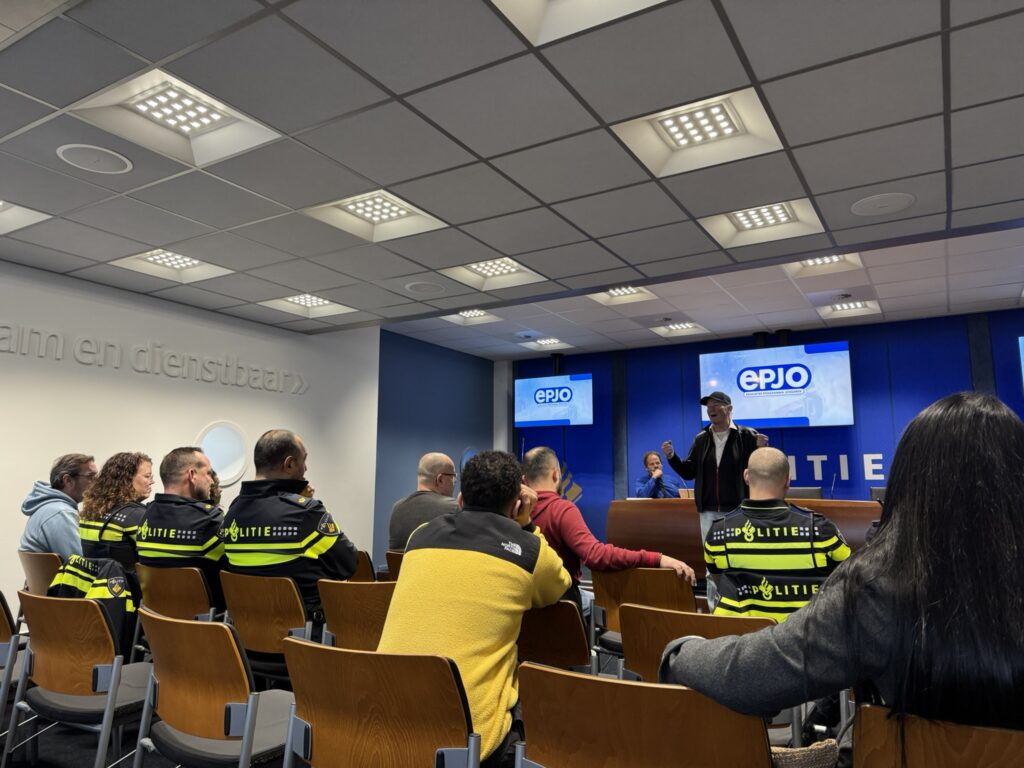
De Amsterdamse Politie is een essentiële partner van EPJO. Binnen het EPJO-programma spelen politieagenten een actieve rol. Zij bezoeken de klassen en behandelen onderwerpen zoals diefstal, pesten, geweld, keuzes maken en de gevaren van sociale media. Met hun ervaring en expertise brengen ze de realiteit van het politiewerk dichter bij de jongeren, en ze benadrukken dat de politie er niet alleen is om de wet te handhaven, maar ook om hulp en zorg te bieden.
De Rechtspraak
De rechtspraak is een onafhankelijke organisatie die juridische problemen behandelt. Rechters luisteren naar beide partijen, bekijken het bewijsmateriaal en nemen een beslissing. Ze zorgen ervoor dat rechtsregels worden nageleefd en dat mensen eerlijk worden behandeld. De rechtspraak beschermt de rechten van individuen en draagt bij aan een rechtvaardige samenleving.
Openbaar Ministerie (OM)
Het Openbaar Ministerie (OM) zorgt in Nederland voor de handhaving van de strafwet. Binnen het programma EPJO (Educatief Programma Jongeren en Openbaar Ministerie) werkt het OM samen met andere organisaties om jongeren bewust te maken van de gevolgen van hun keuzes. Officieren van justitie spelen hierbij een belangrijke rol. Zij zorgen ervoor dat de juridische aspecten tijdens de rechtbankzittingen binnen EPJO realistisch en geloofwaardig worden weergegeven.
Peter Faber Stichting
De Peter Faber Stichting is een ideële stichting die in 2008 door Peter Faber is opgericht. De missie is om iedereen ongeacht afkomst, achterstand of beperking de switch te laten maken van destructieve naar creatieve energie. Er worden door de stichting voor verschillende doelgroepen creatieve projecten op maat ontwikkeld en uitgevoerd. Door hun expertise op het gebied van theater en educatie brengen ze een unieke en interactieve dimensie aan de lessen, waardoor de boodschap op een inspirerende manier wordt overgebracht.
De Amsterdamse Politie
De Amsterdamse Politie is een essentiële partner van EPJO. Binnen het EPJO-programma spelen politieagenten een actieve rol. Zij bezoeken de klassen en behandelen onderwerpen zoals diefstal, pesten, geweld, keuzes maken en de gevaren van sociale media. Met hun ervaring en expertise brengen ze de realiteit van het politiewerk dichter bij de jongeren, en ze benadrukken dat de politie er niet alleen is om de wet te handhaven, maar ook om hulp en zorg te bieden.