EPJO, the interactive crime prevention program

Contact

Welcome to the Youth Education Program (EPJO). The interactive youth crime prevention program for students from grade 8 onwards!

The EPJO is one of the largest projects of the Peter Faber Foundation. This foundation was established in 2008 by actor Peter Faber, with the mission of helping everyone—regardless of origin, background, or disability—to make the switch from destructive to creative energy.

In the same year, the Amsterdam Police, the Judiciary, the Public Prosecution Service, and the Peter Faber Foundation joined forces to develop the crime prevention project for young people called "EPJO."

What is the purpose of EPJO?

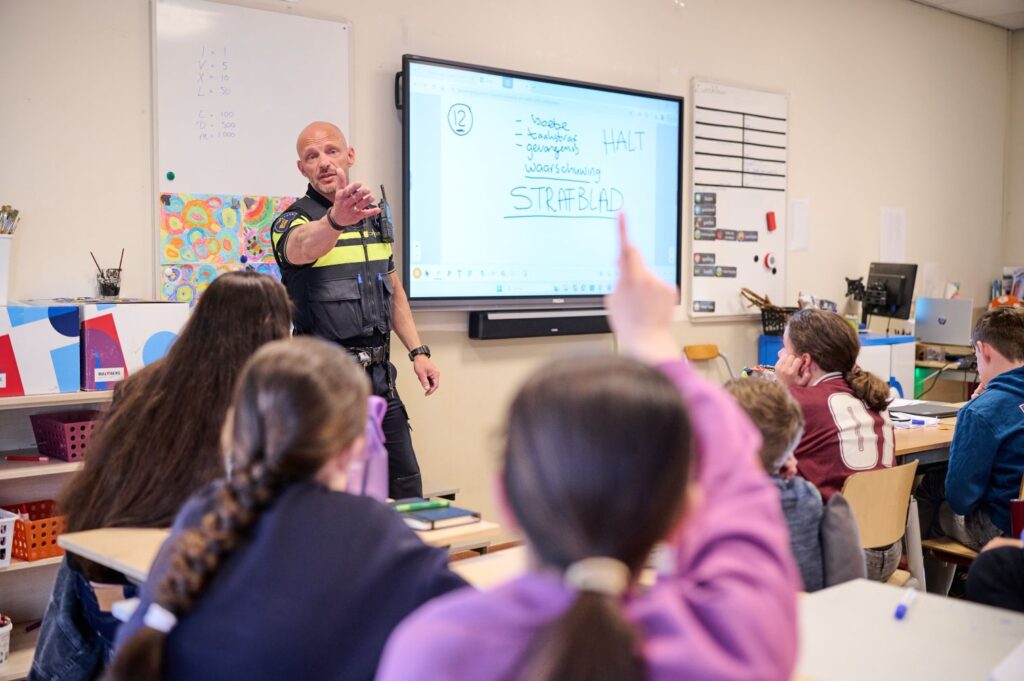
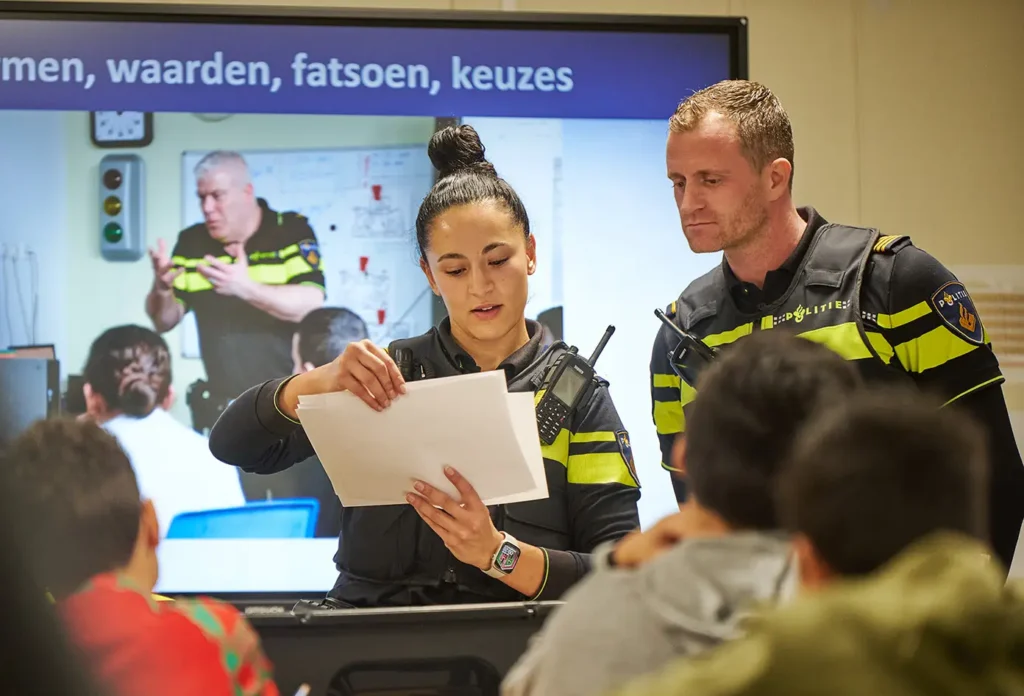
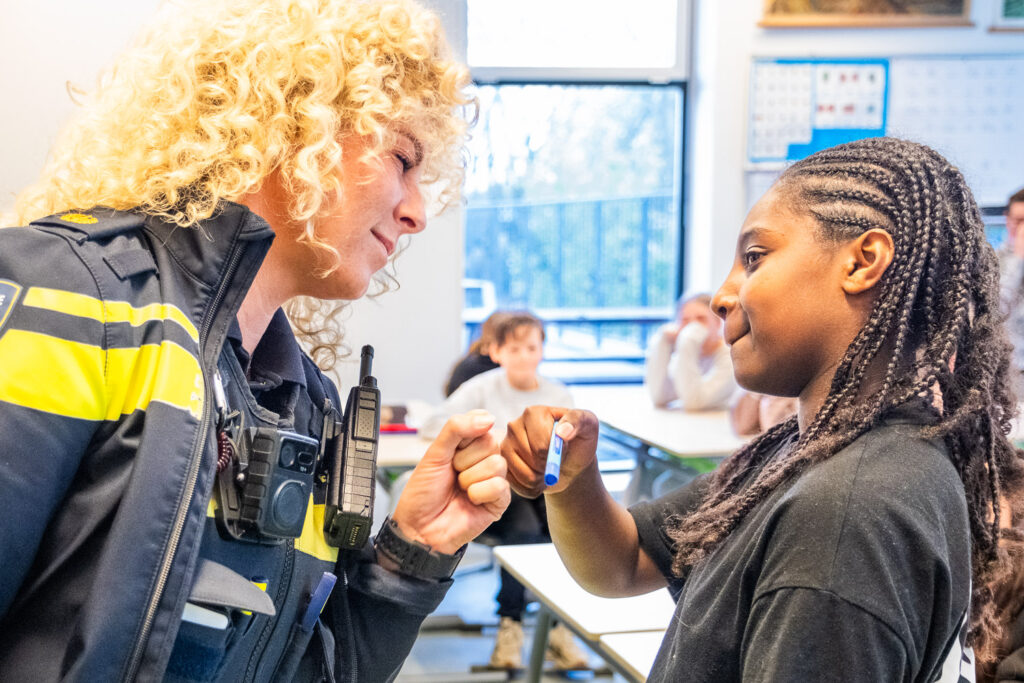
The EPJO focuses on children and young people aged 11 to 18 and aims to raise awareness. The program helps them realize that they can make their own choices and decide for themselves which direction to take. Through interactive lessons, we challenge young people to think about the consequences of their behavior and the power of personal responsibility.

National impact

What started as a project for Amsterdam schools and police teams has now grown into a nationwide program. We now provide around 400 lessons throughout the Netherlands every year. This allows us to reach thousands of young people and offer them the tools to make conscious and positive choices.

Crime has no color; it is always a choice.

Crime has no color, it is always a choice!

Why choose EPJO?

Crime prevention and awareness

By incorporating EPJO into the school curriculum, students are offered a valuable addition to their regular education.

Crime prevention and awareness of the consequences of poor choices are essential skills. These help students prepare for a responsible, safe, and successful future.

EPJO provides students with practical insights and tools to make informed choices. This program contributes to their personal development and makes them resilient to negative influences.

Strong partnerships for quality

EPJO was developed in collaboration with renowned partners such as the Peter Faber Foundation, the Public Prosecution Service, the Judiciary, and the Amsterdam Police. Thanks to this collaboration, we can guarantee the quality and relevance of our program.

These partners bring years of expertise in crime prevention to the table, ensuring that the program addresses the current challenges that young people may face.

Proven effectiveness

 Since 2008, EPJO has proven itself to be a successful program at hundreds of elementary schools throughout the Netherlands.

The program addresses current issues, making it accessible to young people. Positive feedback from students, parents, and teachers confirms the impact it has on young people's awareness and choices.

Our interactive EPJO lessons

EPJO

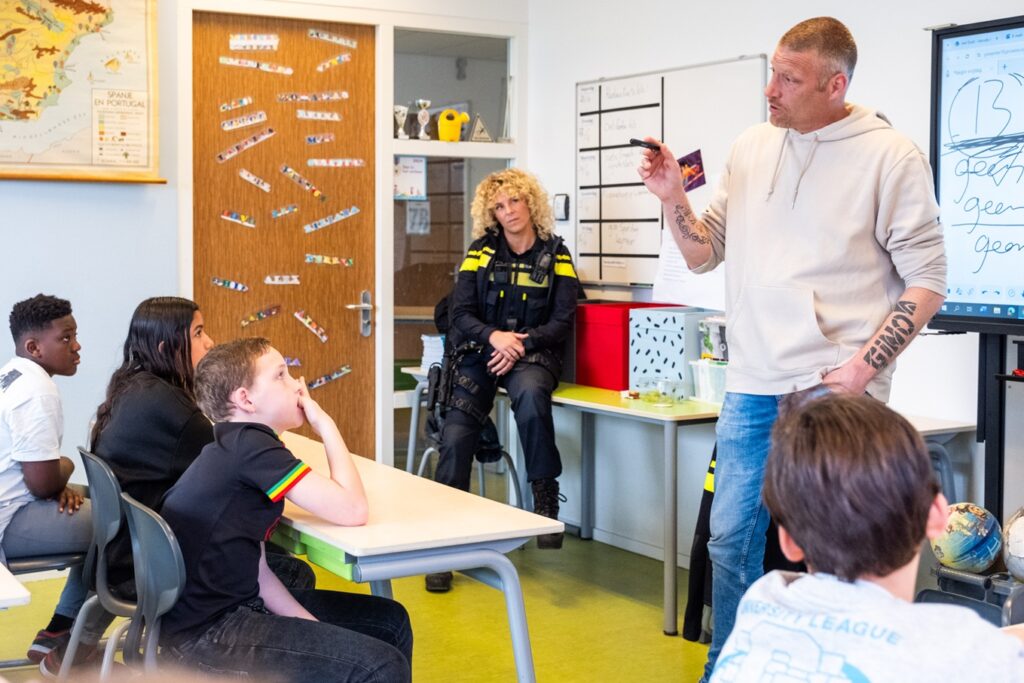
During our interactive EPJO lesson, we address important and current issues that affect young people. Topics such as social media, peer pressure, (online) bullying, recruitment, drugs, violence, money muling, and parcel couriers are discussed in detail. The aim is to make young people aware of the risks and help them make sensible choices in challenging situations.

A special, optional part of this lesson is the story of an expert by experience.

This guest speaker, a former prisoner who has turned his life around, speaks candidly about the consequences of the wrong choices he made in the past. He explains how these choices have affected his life and the impact they still have on him today. By sharing his personal experience, he hopes to warn and inspire students to make conscious and positive choices.

This interactive lesson not only provides factual knowledge, but also offers a poignant and personal perspective that encourages young people to think. There is room for questions and discussion, allowing students to share their own insights and further reflect on the choices they make in their daily lives.

Together, we are working on awareness, prevention, and a positive future!

EPJO for parents

Discussing risky behavior among young people together

Children are increasingly exhibiting undesirable or even criminal behavior at a young age. This can arise because they voluntarily choose to do so, are susceptible to peer pressure, or are easily influenced. Unfortunately, it is also becoming more common for young children to be forced by criminals to carry out certain tasks. In addition, they can become victims of online shaming, with far-reaching consequences for their well-being.

What is 'EPJO for Parents'?

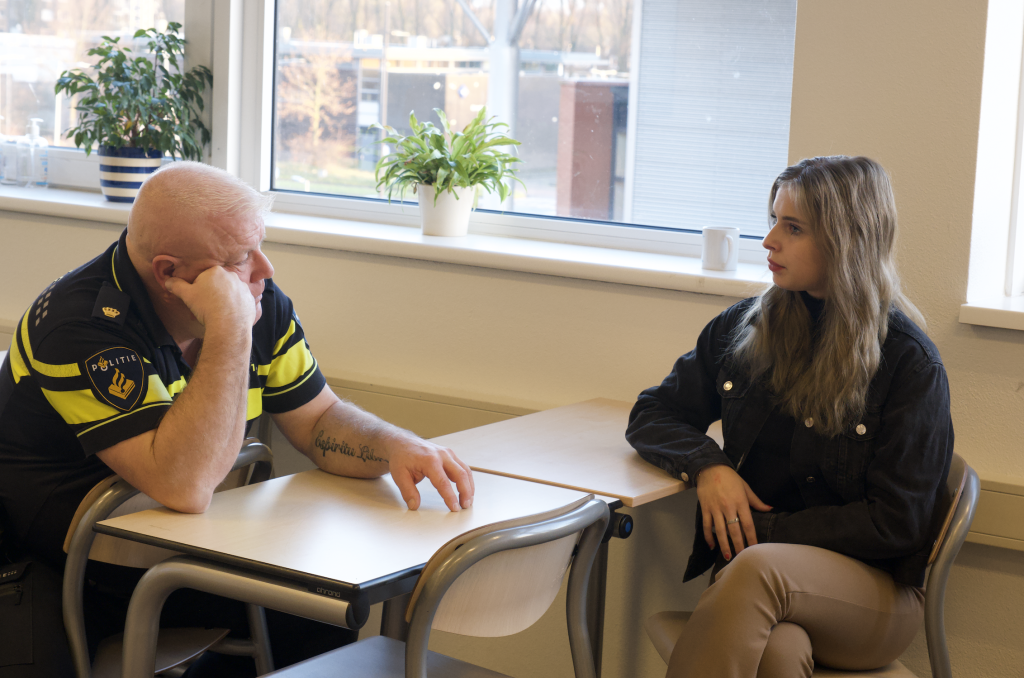
To support parents and caregivers in these challenges, the Youth Education Program (EPJO) has developed the "EPJO for Parents" meeting. During this workshop, we cover the same topics that are also addressed in the regular EPJO lessons. In addition, we offer practical tools for engaging in conversation with your child and provide insight into the signs that you, as a parent, should be alert to.

Working together for prevention

We prefer to hold these parent meetings prior to the booked EPJO lesson(s). This allows parents, caregivers, teachers, and internal counselors to discuss these sometimes difficult but important topics with the children immediately after the program.

With EPJO for Parents, we aim to raise awareness and empower parents in their role as guides and protectors of their children.

EPJO for Parents

Some warning signs may include:

EPJO for Parents

Discussing risky behavior among young people together

Children are increasingly exhibiting undesirable or even criminal behavior at a young age. This can arise because they voluntarily choose to do so, are susceptible to peer pressure, or are easily influenced. Unfortunately, it is also becoming more common for young children to be forced by criminals to carry out certain tasks. In addition, they can become victims of online shaming, with far-reaching consequences for their well-being.

What is 'EPJO for Parents'?

To support parents and caregivers in these challenges, the Youth Education Program (EPJO) has developed the "EPJO for Parents" meeting. During this workshop, we cover the same topics that are also addressed in the regular EPJO lessons. In addition, we offer practical tools for engaging in conversation with your child and provide insight into the signs that you, as a parent, should be alert to.

Working together for prevention

We prefer to hold these parent meetings prior to the booked EPJO lesson(s). This allows parents, caregivers, teachers, and internal counselors to discuss these sometimes difficult but important topics with the children immediately after the program.

With EPJO for Parents, we aim to raise awareness and empower parents in their role as guides and protectors of their children.

Some warning signs may include:

EPJO 2.0

EPJO 2.0

EPJO Workshops

In addition to the regular EPJO lessons and EPJO for parents, there is also EPJO 2.0. These are workshops held at locations such as community centers, youth centers, mosques, and after-school care centers.

Peer pressure, influence of the street, and social media

During these meetings, we engage in conversation with fathers and/or mothers in mosques, and with young people and parents in community centers and youth centers. Important topics that are discussed include peer pressure, the influence of the street, belonging, social media, and criminal behavior.

In addition, we provide information to professionals such as youth workers, street coaches, municipalities, and youth institutions. EPJO 2.0 gives young people and parents the opportunity to share experiences, ask questions, and work together toward a positive future.

EPJO in court

EPJO in court

EPJO court lesson

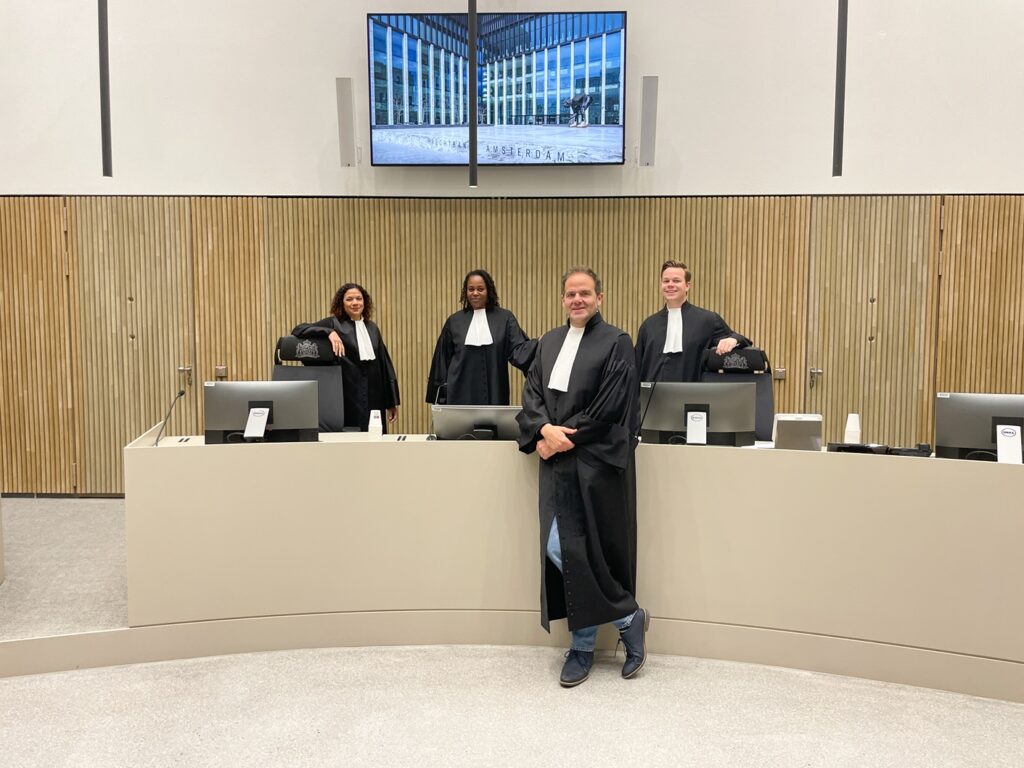
A visit to the court is optional within the EPJO program. Here, the children witness a real-life criminal case with a judge, prosecutor, and defendant. All aspects of a court case are covered. The children clearly see the consequences that wrong choices can have.

After the verdict, there will be ample opportunity to ask questions to the judge, prosecutor, lawyer, and defendant.

Because children under the age of 12 are not allowed to attend real criminal trials, the case is reenacted. The children are not aware of this, so that it seems as real as possible. The lawyer and the defendant are from the Peter Faber Foundation. However, the judge, public prosecutor, and court clerk are actual officials who work at the court. They consistently make time in their busy schedules to make this happen for the children.

EPJO court lesson

A visit to the court is optional within the EPJO program. Here, the children witness a real-life criminal case with a judge, prosecutor, and defendant. All aspects of a court case are covered. The children clearly see the consequences that wrong choices can have.

After the verdict, there will be ample opportunity to ask questions to the judge, prosecutor, lawyer, and defendant.

Because children under the age of 12 are not allowed to attend real criminal trials, the case is reenacted. The children are not aware of this, so that it seems as real as possible. The lawyer and the defendant are from the Peter Faber Foundation. However, the judge, public prosecutor, and court clerk are actual officials who work at the court. They consistently make time in their busy schedules to make this happen for the children.

EPJO in court

Book an EPJO lesson

Want to book an EPJO lesson?

EPJO in your classroom? The registration form for the 2025/2026 school year is online, so book our interactive crime prevention lesson(s) quickly via the button below!
Would you like more information first, or do you have a question? Send an email to info@epjo.nl or call: 06 – 1569 8083

What others say about EPJO

Support the EPJO

donation

What your donation makes possible

Every young person deserves a good start in life.
With your support, we can keep EPJO lessons accessible, intervene where there are concerns, and offer young people support when it matters most.


So that young people can stand firm and choose their own unique path.